
Our Vision
Our diverse range of products impacts everyday life in ways that most people wouldn’t even consider. Simple concepts like maintaining a comfortable temperature in your home, or enjoying fresh food are made possible in part because of our fluids. We help bring energy…
Our Mission
CPI engineers fluid solutions for challenging compression and heat transfer applications. Our aim is to leverage our technical resources, experience, and thought-leadership to partner with customers who desire growth & improvement. We excel at solving complex problems, and our…
Our Markets
We provide solutions for a vast array of markets across the globe. Our technology can be found in the processing of hydrocarbons and natural gas, where dilution and contaminants demand special considerations. CPI supplies a diverse range of solutions for compressed…
CPI Fluid Engineering at a Glance


Enhancing Life

Comp Flush Food Grade Compressor Cleaner Saves Time & Money
CPI Fluid Engineering has developed Comp Flush Food Grade, an NSF H1 (incidental food contact) compressor cleaner and has successfully trialed it in the field. The fluid is designed for use in rotary screw air compressors in food processing facilities, or other areas where a food-grade lubricant...

Lubrizol’s PSCD Helps CPI Ensure Compliant Products
Navigating the complex regulatory landscape for lubricants can be frustrating. Regulations and restrictions on chemicals can vary from country to country, and even state to state. A formulation component can be allowed in one country and completely banned in another. It’s important for...
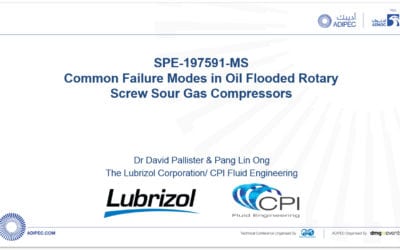
Common Failure Modes in Oil Flooded Rotary Screw Sour Gas Compressor
Concerned About Sour Gas Compressor Failures? CPI Fluid Engineering Understands Complex Gas Compression Issues Are you having reliability issues with your oil flooded twin-screw compressors? Are you seeing corrosive damage to your compressors in a supposedly “sweet” gas well? Do you know...
Contact Us